Written By: Elite
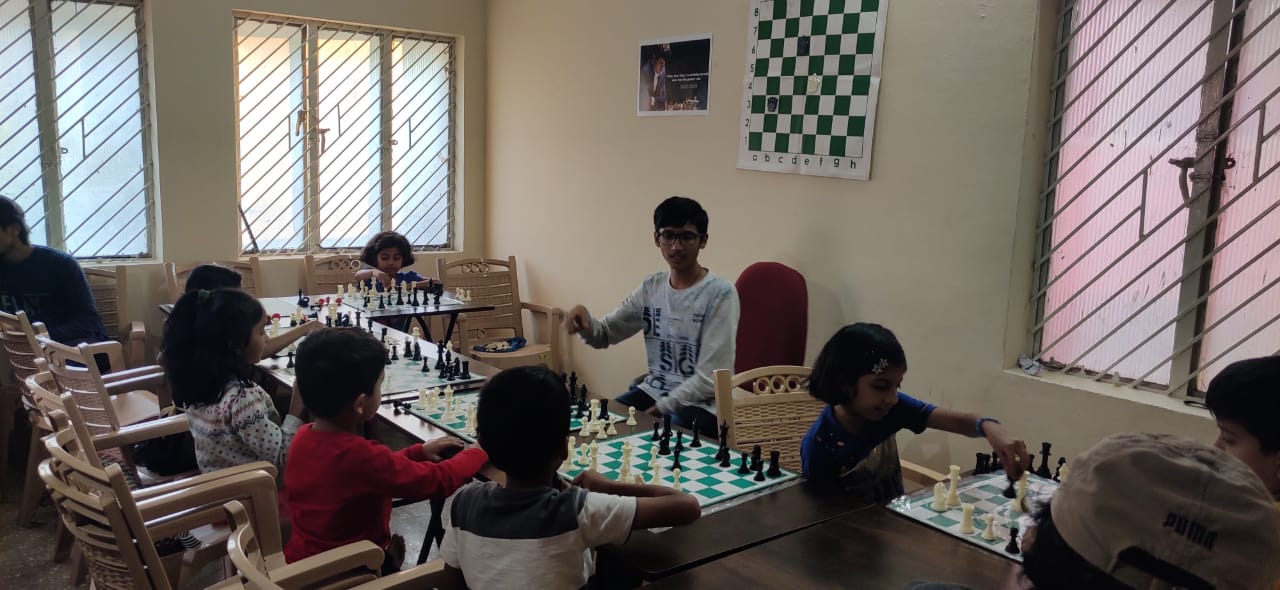
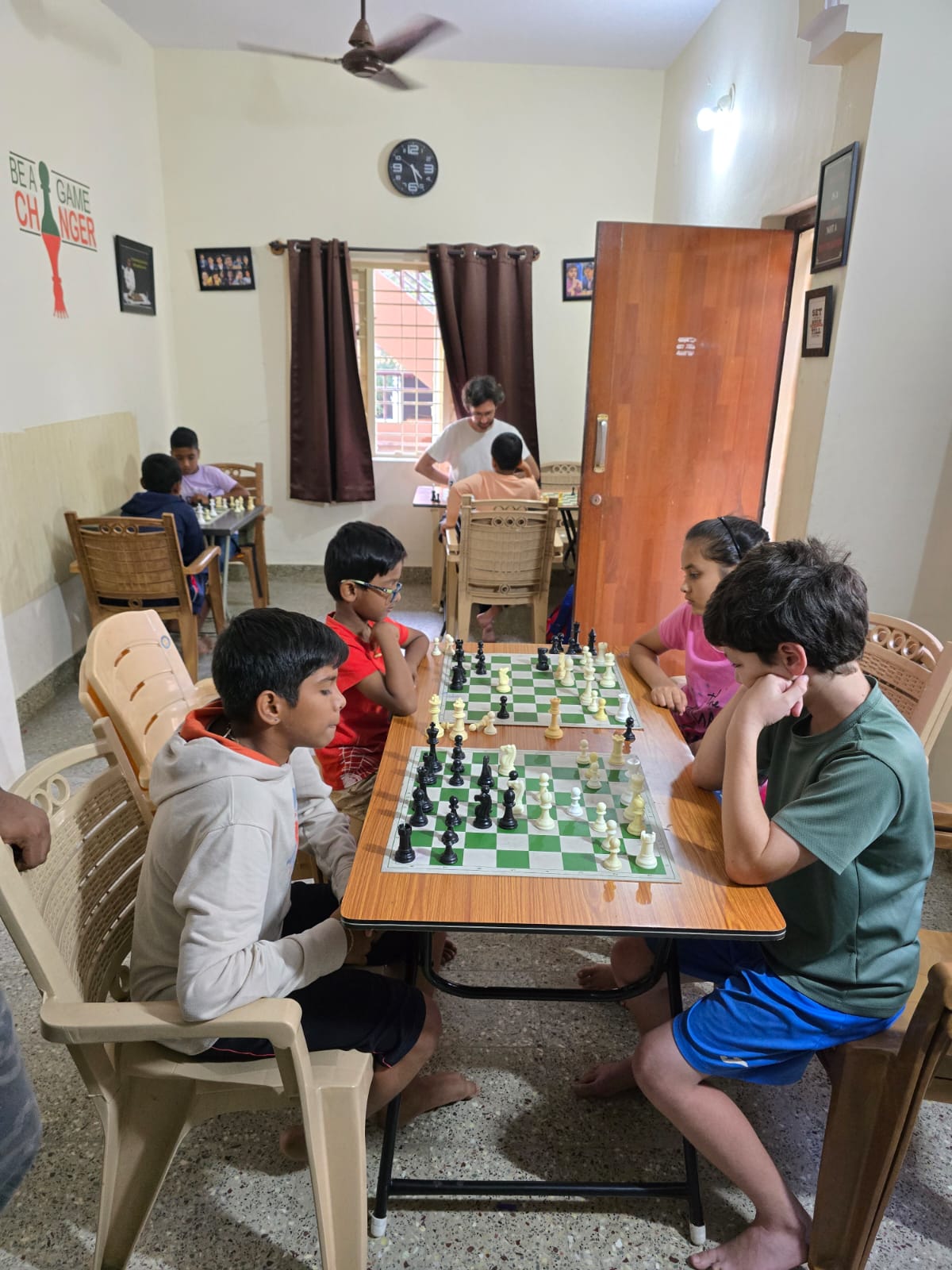
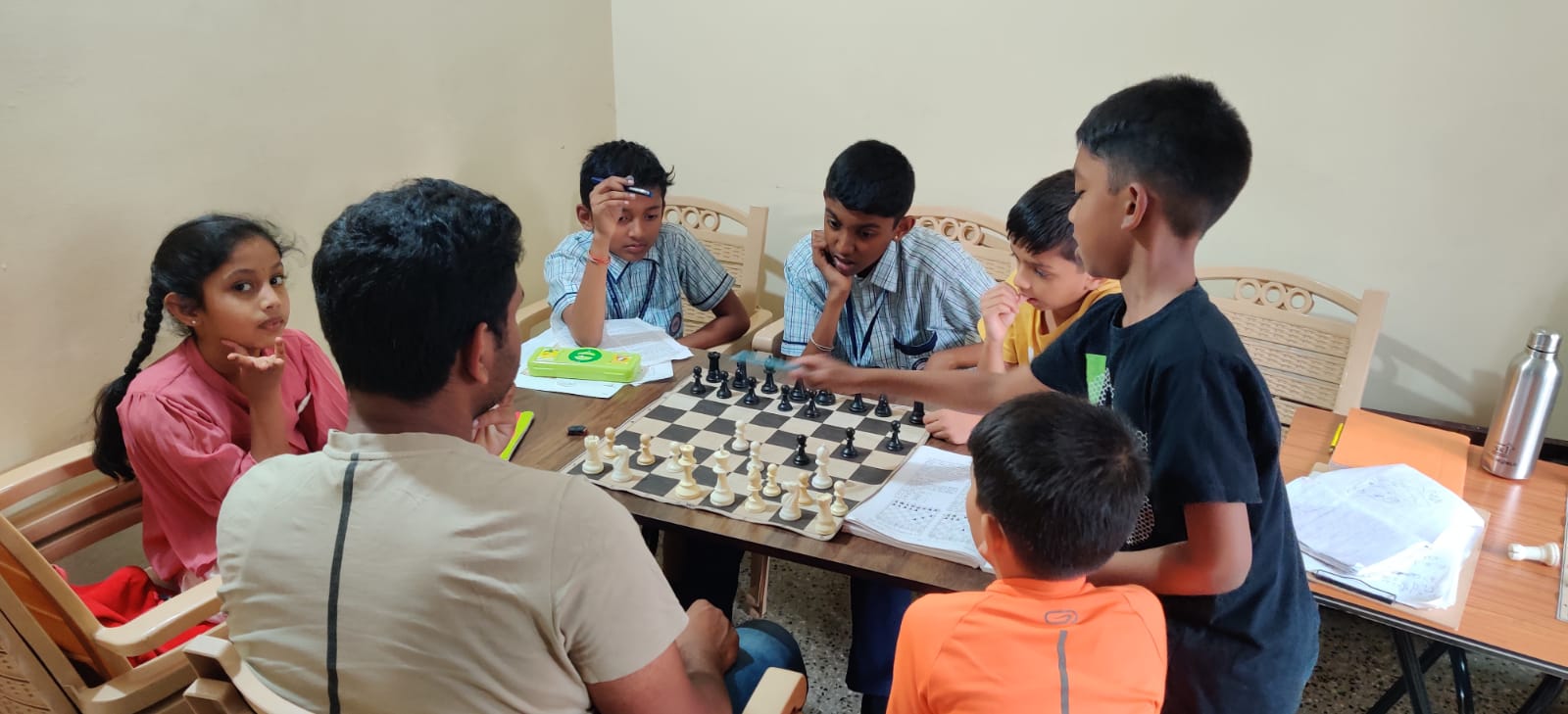
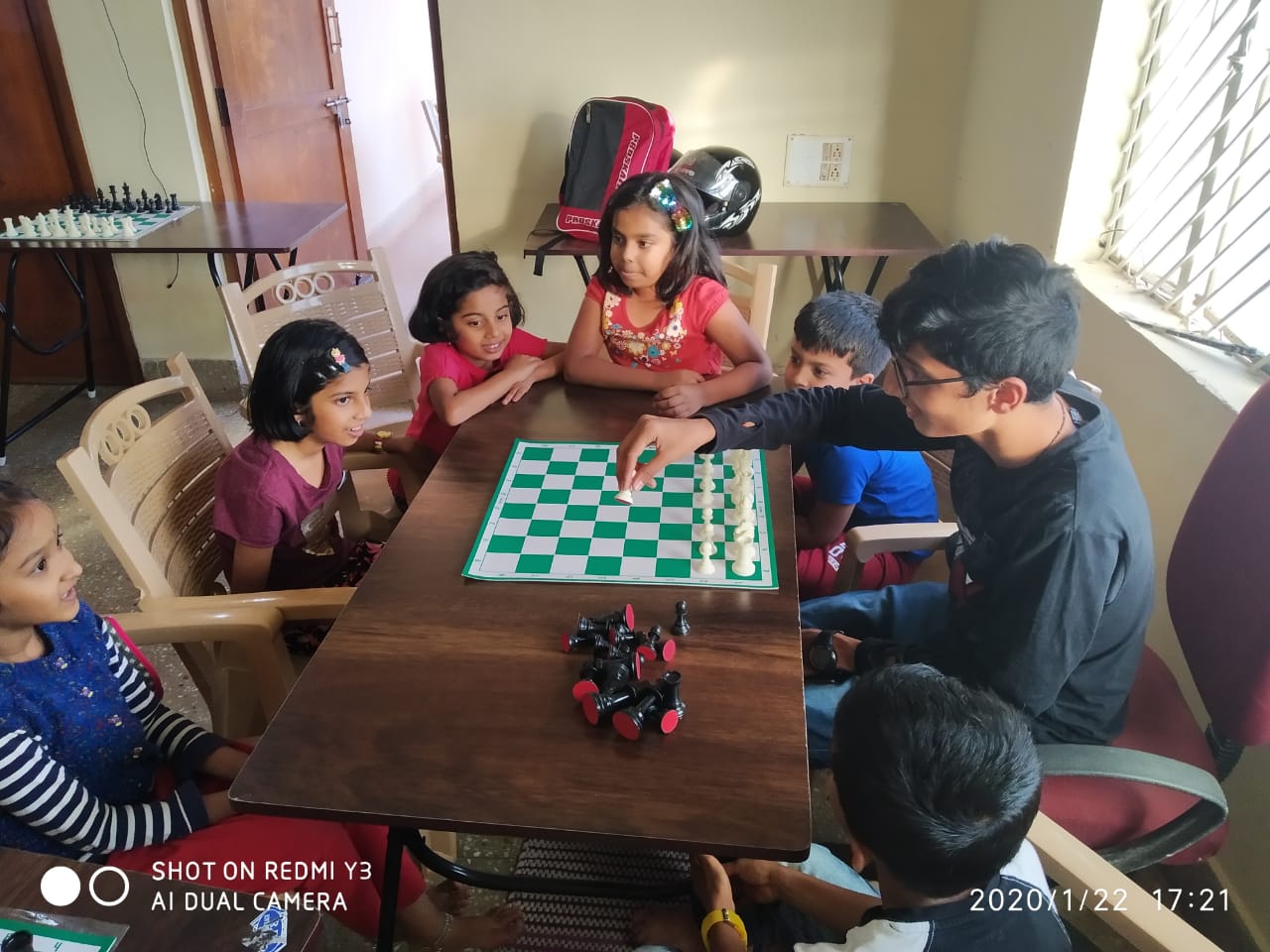
In today’s fast-paced digital world, keeping children focused can be challenging. That’s where *chess* comes in — a timeless game that trains the mind to think, wait, and plan ahead. At Elite Chess Academy, we’ve seen how chess transforms young learners — not just as players, but as thinkers.
1. Teaches Strategic Thinking
Every chess move has consequences. Children learn to think before they act — a skill that applies far beyond the board. With regular play, they begin to understand the importance of planning, analyzing, and adjusting strategies.
2. Improves Focus and Concentration
Each game of chess demands sustained attention. As children engage, they learn to block distractions and stay in the moment — improving academic performance and daily discipline.
3. Cultivates Patience and Emotional Control
Chess teaches that sometimes the best move is to wait.
Young players discover that progress takes time, mistakes are lessons, and patience often leads to victory.
4. Builds Confidence through Achievement
Bringing your queen out too early can make her a target for your opponent’s smaller pieces. It’s better to develop your minor pieces first and save the queen for midgame activity. Remember: Early queen moves = early trouble.
5. Strengthens Memory and Problem-Solving Skills
Regular chess practice activates both sides of the brain.
Students develop stronger recall, pattern recognition, and logical reasoning — all essential for school and everyday challenges.
Conclusion
Chess isn’t just a game; it’s a lifelong classroom.
Through focus, patience, and creativity, children learn lessons that shape their character and mindset.